How-To
How to Discover Customer Needs Through Strategic Questioning -- A systematic approach to uncovering deep customer motivations that drive purchasing decisions
Teaching
Getting in Front of Prospects Beats Talking Them Into Buying
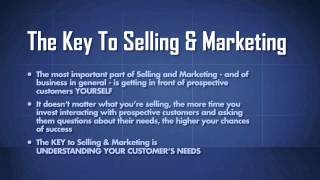
The most important part of selling and marketing is getting in front of prospective customers and understanding their needs, not trying to talk them into wanting your stuff
Teaching6:18
Multi-Level Questioning Reveals Irrational Customer Motivations
Real insights and needs don't make themselves clear until you've asked multiple levels of questions about emotional needs and discovered irrational human motivations
Teaching9:58
Selling Is Matching Needs, Not Coercing People
Professional selling is not about coercing a person - it's about finding out what their real needs are and then matching those needs up with the solution you offer
Teaching6:18
How to Avoid Creating Objections When Selling
The most powerful questions to ask are about what is causing fear, frustration, worry, or anxiety, followed by questions that uncover specific emotional desires
Teaching3:49
Questions as Your Greatest Selling Ally
Your greatest selling ally is questions, and when you're asking questions about something important to another person, no question is considered prying or rude
Teaching10:30
Questions That Uncover Real Prospect Needs
You must dig deep and keep going until you find the irrational human motivation behind the fear or desire, because all really big motivators are irrational
Teaching1:00
Most Sales Objections Are Created by the Salesperson
Most objections or arguments in selling situations occur because the salesperson created them by trying to sell before finding out what the customer needs
Answer6:18
Keep Digging Until You Find the Irrational Human Motivation Behind Fear
Keep going until you discover the irrational human motivation behind their fear or desire. The real sales gold comes from uncovering deep emotional drives like childhood experiences, fears, or desires that may seem illogical but are powerful motivators.
Answer6:52
Dig Until You Hit the Irrational Motivator
Ask about what's causing fear, frustration, worry, or anxiety, then follow up with questions about specific emotional desires. For example, instead of 'What kind of car do you want?' ask 'What's your biggest frustration with your current car?'
Answer
Understanding Needs Raises Success Rate
Understanding your customers' needs through direct interaction and questioning, rather than trying to convince them to want your product. The more time you spend discovering their real needs, the higher your chances of success.
Answer4:23
No Question Is Too Prying When It Connects People to Solutions
Yes, when you're asking about something important to the person, no question is considered prying or rude. People with real needs want to share information that will help you connect them to the solution they want.