
In The Future You Can Be Anyone You Want (LIFE-CHANGING Mindset Shift!)
Eben Pagan reveals how most people unconsciously project their past into their future, limiting their potential. He teaches a powerful mindset shift from past-focused thinking to future-possibility thinking, using the metaphor of painting a blank canvas and the freedom of being anyone when traveling to new places.
Key Moments
How to shift from past-focused to possibility-focused thinking -- A technique for coaches and individuals to break free from limiting past patterns
Travel as Identity Reset Nobody Knows Your History
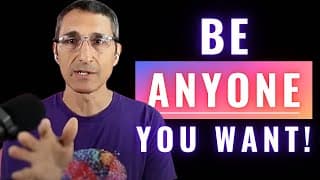
When you travel somewhere new, nobody knows your history or past identity. You could literally walk off the plane and be anyone you want because there's no one to contradict your new identity.
▶ 1:32
Coaching Strategy Shifts Client Orientation to Future Possibility
The key coaching strategy is shifting client orientation from what's already happened to what's possible in the future
▶ 2:27
Life as a Canvas Most People Keep Repainting the Same Picture
Life is like painting on a canvas - most people keep looking back at what they've already painted and repeat the same patterns instead of turning to face the blank canvas ahead
▶ 0:28
Unconsciously Putting Your Past Into Your Future
Most people unconsciously put their past in their future by using past experiences as their primary frame of reference for what's possible
▶ 0:02
Coaching Shift From Past Events to Future Possibilities
Coaches should shift client orientation from what's already happened and what's happening now to what's possible and what could happen in the future. Most clients are unconsciously putting their past in their future.
▶ 2:29
Relevant Clips12
- How-To
How to shift from past-focused to possibility-focused thinking -- A technique for coaches and individuals to break free from limiting past patterns
- Teaching▶ 0:31
Stop Looking at What You Painted — Turn to the Blank Canvas
Shift your orientation from looking at what's already happened to focusing on what's possible. Like painting on a canvas - stop looking back at what you've painted and turn toward the blank canvas ahead where you can create anything.
- Teaching▶ 2:29
Coaching Shift From Past Events to Future Possibilities
Coaches should shift client orientation from what's already happened and what's happening now to what's possible and what could happen in the future. Most clients are unconsciously putting their past in their future.
- Teaching▶ 0:19
Driving Into the Future While Looking in the Rearview Mirror
It means using past experiences as your frame of reference for what's possible, essentially driving into the future while looking in the rearview mirror. You unconsciously recreate the same patterns and limitations.
- Teaching▶ 1:32
Travel as Identity Reset Nobody Knows Your History
When you travel somewhere new, nobody knows your history or past identity. You could literally walk off the plane and be anyone you want because there's no one to contradict your new identity.
- Teaching▶ 0:28
Life as a Canvas Most People Keep Repainting the Same Picture
Life is like painting on a canvas - most people keep looking back at what they've already painted and repeat the same patterns instead of turning to face the blank canvas ahead
- Teaching▶ 0:02
Unconsciously Putting Your Past Into Your Future
Most people unconsciously put their past in their future by using past experiences as their primary frame of reference for what's possible
- Teaching
Travel as a Reinvention Opportunity
Travel creates natural opportunities to reinvent yourself because nobody at your destination knows your history or limitations
- Teaching▶ 2:27
Coaching Strategy Shifts Client Orientation to Future Possibility
The key coaching strategy is shifting client orientation from what's already happened to what's possible in the future
- Quotable▶ 0:33
Painting a New Canvas Instead of Repeating the Past
we have the whole canvas of our life and it's like we're going along painting making a painting of our life on the canvas but what most people are do is they're looking back at the canvas that they've already painted and they're just painting the same thing over and over because that's their frame of reference that's all they know rather than turning around and looking at a blank canvas in front of them and saying ah I could paint whatever I want I can literally make myself whatever I want
- Quotable▶ 2:37
Shifting Orientation From What's Happened to What's Possible
we want to shift our orientation of how we look at reality from what's already happened and what's happening now to what's possible what could happen in the future
- Quotable▶ 0:08
We Put Our Past in Our Future
we put our past in our future
Entities Touched
Concepts
Questions
Canonical Teachings
Summary
The Problem: Putting Your Past in Your Future
Eben introduces the core problem that most people unconsciously face - using their past experiences as the primary frame of reference for what's possible in their future. He references insights from Werner Erhardt, W Edwards Deming, and his mentor Jerry Ballinger to illustrate how this pattern limits potential.
The Canvas Metaphor: Choosing What to Paint
Using his mentor Jerry Ballinger's powerful metaphor, Eben explains how life is like painting on a canvas. Most people keep looking back at what they've already painted and repeat the same patterns, instead of turning to face the blank canvas ahead where they can create anything they want.
Travel and the Freedom to Reinvent
Eben shares his personal experience of how traveling creates natural opportunities for reinvention. When you arrive somewhere new, nobody knows your history, giving you the freedom to literally be anyone you want - a concept he playfully experimented with when younger.
The Coaching Application: Redirecting Client Focus
Eben reveals the practical coaching technique of shifting client orientation from past-focused conversations to future-possibility thinking. Since most clients are unconsciously putting their past in their future, coaches must actively redirect toward what's possible rather than what's already happened.
Counterpoint
Claim: “Your past experiences determine what's possible for your future”
Reframe: You can literally make yourself into whatever you want by focusing on future possibilities instead of past limitations
Jerry Ballinger's canvas metaphor - people keep painting the same thing because that's their frame of reference instead of turning to face the blank canvas ahead
Claim: “Coaching conversations should focus on understanding and processing past experiences”
Reframe: Effective coaching shifts client orientation from what's already happened to what's possible in the future
Most coaching clients are putting their past in their future through past-focused conversations, so coaches must redirect toward possibility thinking
Related Content

1 Thing That Prevents You From Being Successful
The one mental pattern that's secretly sabotaging your success - and how to break free from it to create the greatest version of yourself.
How Your Mistakes Can Inspire Others
Discover how teaching what you learn creates a superpower that allows you to combine different expertise areas into unique market positions that few others can replicate.

5 Steps To A Powerful Coaching & Leadership Conversation
Discover the exact 5-step formula that creates coaching sessions so powerful your clients will experience transformation on emotional, practical, and spiritual levels.
How To REALLY Motivate & Inspire Yourself (and Others)
The secret to charging premium coaching fees isn't better techniques - it's helping clients see a transformation vision so compelling they'd trade almost anything to achieve it.

How to "Persuade" Others to Take Action As Their BEST SELF
Discover how Eben Pagan condensed 15 sales and coaching models into one formula that helps people take action as their best self.
How To Turn Big Challenges Into FUEL
Why Eben Pagan says his secret to success is being "willing to fail on stage" - and how this counterintuitive approach actually builds more trust with your audience.
Topics
Coaching Strategies
Common Mistakes