
The Foundation of Business Success
Eben establishes that paying customers are the single upstream element that drives all business success. Without customers who pay, there's no sales, income, profit, or money to invest.

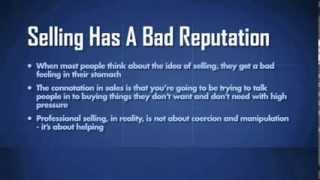
Eben Pagan teaches the foundational business skill of professional selling, distinguishing it from manipulative sales tactics. He explains how sales is about helping customers find solutions to their needs, not just convincing them to buy.
Foundational Business Skills
How to overcome shame and resistance in sales presentations -- A visualization and commitment exercise to address limiting beliefs about selling
The Invisible Sales Barrier — Fear of Rejection
The invisible barrier preventing people from selling is fear of bothering others and fear of rejection
▶ 10:47
Selling Is a Learnable Skill Like Riding a Bicycle
Making presentations that pay is a learnable skill like walking, talking, or riding a bicycle
▶ 20:12
Most Sales Presentations End With Avoidance Not a Close
Most people end sales presentations with avoidance strategies like 'So what do you think?' or 'Let me know if you want more info'
▶ 13:53
Entrepreneurs Who Master Sales Presentations Build Lasting Businesses
Successful entrepreneurs view making sales presentations as the foundation of business success
▶ 19:28
Refer Customers Elsewhere When You're Not the Best Fit
If you don't have the best solution for a customer, you don't close the deal and send them to someone who does
▶ 8:04
How to overcome shame and resistance in sales presentations -- A visualization and commitment exercise to address limiting beliefs about selling
Most Sales Presentations End With Avoidance Not a Close
Most people end sales presentations with avoidance strategies like 'So what do you think?' or 'Let me know if you want more info'
Paying Customers Are the One Upstream Business Element
Business success comes down to one upstream element: paying customers who exchange money for your product or service
Money Represents Time — Why Spending Feels Heavy
When someone gives you money, they're actually giving you some of their life because they traded time for that money
Finding Needs and Matching Solutions — Real Selling
Professional selling is about finding customer needs and matching them to solutions, not talking people into buying
Refer Customers Elsewhere When You're Not the Best Fit
If you don't have the best solution for a customer, you don't close the deal and send them to someone who does
The Invisible Sales Barrier — Fear of Rejection
The invisible barrier preventing people from selling is fear of bothering others and fear of rejection
Firing Customers — Why Successful Sellers Do It Freely
Successful business people enjoy 'firing customers' who aren't a good fit and giving them full refunds
Sales Rejection Fear — Evolutionary Survival Reflex
The fear of rejection in sales situations is natural but outdated from evolutionary survival needs
Getting People to Open Their Wallets Is the Hard Part
Getting someone to open their wallet and give you money is the hardest thing to learn in business
Entrepreneurs Who Master Sales Presentations Build Lasting Businesses
Successful entrepreneurs view making sales presentations as the foundation of business success
Selling Is a Learnable Skill Like Riding a Bicycle
Making presentations that pay is a learnable skill like walking, talking, or riding a bicycle
Professional Selling vs Convincing Tactics
Professional selling focuses on finding customer needs and matching them to solutions, only selling when it's truly in the customer's best interest. Unprofessional selling is about convincing and persuading people to buy regardless of whether it helps them.
Firing a Customer — Full Refund, No Pandering
Firing a customer means giving a full refund to someone who isn't satisfied and isn't a good fit for your product. Successful business people do this because it feels freeing to not pander to complainers just for money.
The Emotional Weight Behind Every Spending Decision
When people give you money, they're actually giving you a piece of their life because they traded their time to earn that money. This makes spending decisions emotionally significant and creates natural resistance.
How Top Entrepreneurs Actually Feel About Selling
Successful entrepreneurs see making sales presentations as the foundation of business success. They find selling interesting, enjoyable, and fun, and recognize that the fear of rejection is natural but outdated.
Not the Best Solution — Refer Them Out
You should not close the deal and instead send them to whoever has the best solution for their needs. Professional selling means only selling when it's truly in the customer's best interest.
Shame and Fear of Rejection Block Direct Sales
Most people avoid sales presentations due to fear of rejection and shame. These emotions create an invisible barrier and lead to avoidance strategies rather than direct selling approaches.
Professional Selling — Match Needs to Solutions
Professional selling is about helping the other human being by finding out what their needs are, what their concerns are, right, what they want, and then matching the product or service that you have to their needs.
Money as Stored Life — Why Customers Guard It
The hardest thing to learn how to do is to get another human being to open up their wallet or take out their money and give it to you in exchange for what you're selling.
One-Hour Minimum Uninterrupted Focus Blocks
When someone goes to their job or to their work and they trade some of their life for money... The money then becomes this representative of that part of their life.
Sales Presentations Are the Foundation of Business
Making successful presentations and sales presentations. Right. It's the foundation or the building block or the heart of business success.
When to Refer a Customer to a Competitor
What should you do if your product isn't the best solution for a customer?
Habit Gravity — Why Change Stalls on Day Three
What is 'firing a customer' and why do successful business people do it?
Professional vs Unprofessional Selling — The Core Difference
What is the difference between professional and unprofessional selling?
Why Most People Avoid Making Direct Sales Presentations
Why do most people avoid making direct sales presentations?
Entrepreneurs Who Enjoy Sales Presentations Win More
How do successful entrepreneurs view sales presentations?
Why Getting People to Pay Is the Hardest Business Skill
Why is it so hard to get people to pay you money?
Concepts
Questions
Canonical Teachings
Eben establishes that paying customers are the single upstream element that drives all business success. Without customers who pay, there's no sales, income, profit, or money to invest.
He reframes money as representing pieces of people's lives, since most people trade time for money at jobs. This perspective explains why getting people to spend money is psychologically challenging.
Eben distinguishes between manipulative sales tactics and professional selling, which focuses on matching customer needs to solutions. Professional selling means only closing deals when it truly benefits the customer.
He addresses the invisible barriers of fear and shame that prevent people from making sales presentations, explaining these as outdated evolutionary responses that can be overcome through mindset shifts and practice.
Successful entrepreneurs share common mindsets: viewing sales as the foundation of business, finding selling enjoyable, recognizing fears as natural but outdated, and understanding that presentation skills can be learned and mastered.
Claim: “Selling is about convincing and persuading people to buy what you're offering”
Reframe: Professional selling is about finding customer needs and matching them to solutions, only selling when it's truly in their best interest
Claim: “Money is just currency that people exchange”
Reframe: When someone gives you money, they're giving you a piece of their life because they traded time to earn that money
Claim: “Fear of rejection in sales is a character weakness to overcome”
Reframe: Fear of rejection is natural but evolutionarily outdated, stemming from survival needs that don't apply to modern business situations
2 Critical Skills You Need To Make Money Fast
After 15+ years and millions in revenue, Eben Pagan shares the only two skills that consistently create fast money in any business.
View Your Customer As A "Business Friend" with Eben Pagan
The simple mindset shift that makes customers eager to pay you before you even ask for the sale.

How to Talk About Money with Confidence
Discover the exact words Eben Pagan uses to talk about money confidently in any business situation without losing respect or trust.
Customer Business Friend
What if the secret to business success isn't better sales tactics, but treating your customers like trusted friends instead?
The Danger Of Playing Business
Why most entrepreneurs fail by 'playing business' instead of focusing on the one skill that guarantees success in any business environment.
Coaching Strategies
Business Frameworks
Common Mistakes