Teaching

The Key To Marketing And Sales

The Key To Marketing And Sales

Eben Pagan reveals the foundational key to successful marketing and sales: understanding customer needs before pitching solutions. He demonstrates how to use strategic questioning to uncover deep emotional motivations and avoid creating objections through premature selling.

The Key To Marketing And Sales

0:00--:--
Listen:Website

The Foundation of Effective Selling

Eben establishes that understanding customer needs, not persuading them to want your product, is the key to successful marketing and sales. He references Neil Rackham's research showing that most sales objections are actually created by salespeople who try to sell before discovering what customers really need.

The Power of Strategic Questioning

Questions become your greatest selling ally when focused on emotional pain points like fears, frustrations, and anxieties. Eben explains why asking personal questions about important matters isn't considered rude, using the doctor-patient relationship as an analogy for professional inquiry.

Discovering Deep Motivations

Real sales insights come from multiple levels of questioning that uncover irrational human motivations. Eben demonstrates with examples how surface-level needs often mask deeper emotional drivers rooted in childhood experiences, fears, or desires that ultimately drive purchasing decisions.

Questions This Episode Answers

What questions should I ask prospects to understand their real needs?

The most powerful questions to ask are the questions about what is causing fear, frustration, worry, or anxiety. And the next most valuable questions are those that uncover specific emotional desires.

Eben Pagan7:27

Ask about what's causing fear, frustration, worry, or anxiety, then follow up with questions about specific emotional desires. For example, instead of 'What kind of car do you want?' ask 'What's your biggest frustration with your current car?'

How do I avoid creating objections when selling?

Most of the objections or the arguments that happen in selling situations, they occur because the salesperson created them. That it wasn't the customer that created the objection, that it was actually the salesperson.

Eben Pagan1:26

Don't try to sell or talk someone into buying before you've discovered what they actually need. Most objections are created by salespeople who present solutions before understanding the customer's real problems.

Is it appropriate to ask personal questions when selling?

When you're asking questions about something that's important to another person, no question is considered prying or rude.

Eben Pagan4:57

Yes, when you're asking about something important to the person, no question is considered prying or rude. People with real needs want to share information that will help you connect them to the solution they want.

How deep should I go when questioning prospects?

Don't stop until you find the irrational human motivation behind the fear or desire. Once you've discovered the real need, now you have what you need to make the sale.

Eben Pagan11:37

Keep going until you discover the irrational human motivation behind their fear or desire. The real sales gold comes from uncovering deep emotional drives like childhood experiences, fears, or desires that may seem illogical but are powerful motivators.

What's the key to successful marketing and sales?

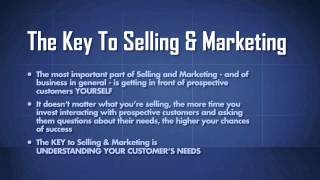
The most important part of selling and marketing, and of business in general, is getting in front of prospective customers yourself. The key to selling and marketing is understanding your customers' needs.

Eben Pagan0:31

Understanding your customers' needs through direct interaction and questioning, rather than trying to convince them to want your product. The more time you spend discovering their real needs, the higher your chances of success.

How to Discover Customer Needs Through Strategic Questioning

A systematic approach to uncovering deep customer motivations that drive purchasing decisions

  1. 1

    Start with emotional questions

    Ask about what's causing fear, frustration, worry, or anxiety rather than logical product preferences

  2. 2

    Follow up with desire questions

    Uncover specific emotional desires after identifying pain points

  3. 3

    Dig deeper with why questions

    Ask why each need is important to them to get to deeper motivations

  4. 4

    Continue until you find irrational motivations

    Keep questioning until you discover childhood experiences, fears, or emotional drives that may seem illogical but are powerful motivators

  5. 5

    Match solutions to discovered needs

    Only after understanding their real needs, present how your solution addresses their specific emotional motivations

All Teachings 7

TeachingEmpowering0:31

The most important part of selling and marketing is getting in front of prospective customers and understanding their needs, not trying to talk them into wanting your stuff

Neil Rackham's book 'Spin Selling' demonstrates that most objections in selling situations are created by the salesperson trying to sell before discovering what the customer needs

ReframeEmpowering1:26

Most objections or arguments in selling situations occur because the salesperson created them by trying to sell before finding out what the customer needs

Neil Rackham's research in 'Spin Selling' shows that unprofessional salespeople create objections when they try to talk someone into buying before understanding their needs

TeachingEmpowering4:57

Your greatest selling ally is questions, and when you're asking questions about something important to another person, no question is considered prying or rude

Just like a doctor asking specific questions about a patient's pain, customers with real needs want to be asked questions and want to tell you everything that will help you connect them to what they want

TeachingEmpowering7:27

The most powerful questions to ask are about what is causing fear, frustration, worry, or anxiety, followed by questions that uncover specific emotional desires

Instead of asking 'What kind of car do you want?' ask 'What's your biggest frustration with your car right now?' to get higher quality answers that reveal real motivations

TeachingEmpowering7:58

Real insights and needs don't make themselves clear until you've asked multiple levels of questions about emotional needs and discovered irrational human motivations

The example of the home buyer who initially wanted separate bedrooms for children but ultimately was motivated by childhood poverty experiences and not wanting her kids to feel poor like she did

TeachingEmpowering14:25

You must dig deep and keep going until you find the irrational human motivation behind the fear or desire, because all really big motivators are irrational

All big human motivators come down to fear of getting hurt, desire, greed, childhood stories, or emotions like envy and jealousy - until you reach this level, you don't really know how to market or sell

ReframeEmpowering11:05

Professional selling is not about coercing a person - it's about finding out what their real needs are and then matching those needs up with the solution you offer

When a weight loss coach discovers a client's real fear is that her husband might leave her due to weight gain, the coach can address becoming attractive to her husband rather than just losing weight

Episode Tone
4 foundational1 intermediate2 advanced

Key Teachings 7

The most important part of selling and marketing is getting in front of prospective customers and understanding their needs, not trying to talk them into wanting your stuff

0:31

Most objections or arguments in selling situations occur because the salesperson created them by trying to sell before finding out what the customer needs

1:26

Your greatest selling ally is questions, and when you're asking questions about something important to another person, no question is considered prying or rude

4:57

The most powerful questions to ask are about what is causing fear, frustration, worry, or anxiety, followed by questions that uncover specific emotional desires

7:27

Real insights and needs don't make themselves clear until you've asked multiple levels of questions about emotional needs and discovered irrational human motivations

7:58

You must dig deep and keep going until you find the irrational human motivation behind the fear or desire, because all really big motivators are irrational

14:25

Professional selling is not about coercing a person - it's about finding out what their real needs are and then matching those needs up with the solution you offer

11:05

Counterpoint 3

Claim:Good salespeople convince customers to want their product through persuasive presentations

Reframe: Professional salespeople discover what customers already need through strategic questioning before presenting any solutions

Claim:Asking personal questions in business situations is prying or rude

Reframe: When someone has a real need or concern, they want to be asked detailed questions and will share everything that helps solve their problem

Claim:Focus on logical product features and benefits when selling

Reframe: The real sales gold comes from uncovering irrational emotional motivations like childhood fears, desires for status, or deep anxieties

Quotable Moments

The key to selling and marketing is understanding your customers' needs.

Eben Pagan0:31

Your greatest selling ally is questions.

Eben Pagan4:57

When you're asking questions about something that's important to another person, no question is considered prying or rude.

Eben Pagan4:57

Don't stop until you find the irrational human motivation behind the fear or desire.

Eben Pagan11:37

All of the really big motivators that humans have are irrational.

Eben Pagan14:25

Topics

Business Frameworks

Common Mistakes

premature selling

You Might Be Interested In

Don't just create a product or service - create an entire category and position yourself as the originator to attract premium partnerships and clients

Eben created the 'dating advice' category instead of just a dating product, which allowed him to present his company as 'the leader in dating advice' when doing deals with bigger companies and financial experts

A customer avatar is a personification of what all your prospects have in common - name this person and describe them so you can create intelligent dialogue about serving their needs

Eben created 'Erwin' as his customer avatar for Double Your Dating, representing millions of men with overlapping challenges in dating, focusing only on the 100 qualities they all share

The most important part of selling is getting in front of prospective customers and asking them questions about their needs

Eben Pagan emphasizes personal interaction with prospects as the foundation of all selling success, regardless of what you're selling

Most sales objections are created by the salesperson, not the customer, according to Neil Rackham's research

Neil Rackham's book 'SPIN Selling' documents research showing unprofessional salespeople create objections by trying to sell products before understanding customer needs